
When the Virginia General Assembly gavels in Wednesday, Democrats will do so from a position they haven’t held in years: full control of state government.
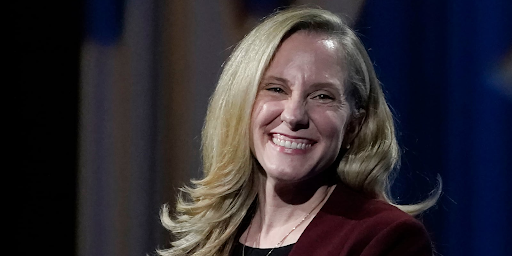
After Gov.-elect Abigail Spanberger’s November win, Democrats now control the governorship, House of Delegates, and state Senate, setting up one of the most politically unusual sessions in recent memory—one that mixes major constitutional questions, a high-stakes budget rewrite, and the early chess moves of the 2026 midterms.
Democrats hold a narrow 21-19 edge in the Senate and a commanding 64-36 majority in the House, giving them a cleaner runway to move legislation and send it to a governor expected to sign it. That dynamic is expected to accelerate action on big-ticket issues early, especially as party leaders view Spanberger’s first year as a chance to lock in durable policy wins.
“This is not a normal opening act for a legislative session,” said Stephen Farnsworth, a political scientist at the University of Mary Washington said to Virginia Mercury. “Spanberger is setting the stage for an aggressive year one.” (RELATED: Spanberger Taps Biden Labor Enforcer for Key Virginia Cabinet Role)
At the center of the session are four proposed constitutional amendments that, if approved again by both chambers, would go before Virginia voters later this year. The measures would “protect abortion access, enshrine same-sex marriage, automatically restore voting rights to felons who have completed their sentences, and authorize a rare mid-decade redistricting ahead of the 2026 congressional elections,” according to Virginia Mercury.
Because constitutional amendments bypass the governor’s desk entirely, they are poised to dominate debate. Two of them—same-sex marriage and voting rights—moved last year with bipartisan support, highlighting how quickly some issues have shifted in Richmond. (RELATED: Spanberger Names Nick Donohue as Virginia Transportation Secretary Amid Questions on Past Results)
The abortion amendment drew unified Republican opposition, reflecting a longer-running national fight over reproductive policy. And the redistricting proposal stands out as the most combustible, tied to intensifying pressure around gerrymandering tactics ahead of the midterms. Critics warn it would deepen political gamesmanship; supporters argue it’s a necessary counterbalance if other states redraw lines first.
The session’s other defining fight will be the budget. Outgoing Republican Gov. Glenn Youngkin introduced a $212 billion two-year spending plan last month, but Democrats are expected to reshape it quickly. Federal policy changes are already complicating the math, including reduced support for health care programs under recent legislation, forcing lawmakers to grapple with what the state can—or must—backfill.
Republicans, now firmly in the minority, won’t be able to block most Democratic priorities outright, but they may find openings in narrower policy areas—especially where there’s pressure for bipartisan cooperation. Farnsworth pointed to possible overlap on rural health care stability and statewide data center policy, as lawmakers confront rising infrastructure demands tied to Virginia’s booming tech footprint.