
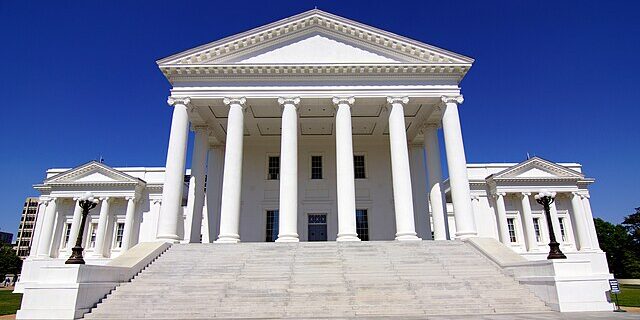
Virginia Democrats have already filled a slate of 2026 bills focused on ramming through their agenda while Senate Democrats have added their own initiatives as well. Here’s a rundown of some major bills that could be signed into law next year.
HB 1 – Minimum wage to $15 by 2028
HB 1 would raise Virginia’s minimum wage in steps until it reaches $15 an hour by January 1, 2028. Republicans have already argued that Democrats’ economic agenda “looks like it’s going to make things more expensive,” warning that higher mandated wages could increase prices, hurt small businesses, and reduce entry-level job opportunities.
HB 2 – Utility energy-efficiency upgrades and reporting
HB 2 directs Dominion Energy Virginia and Appalachian Power to pursue energy-efficiency measures and upgrades by 2031 and to report on their progress by 2028. The new mandates on utilities will ultimately be passed through to ratepayers, raising energy bills and adding regulatory burdens for limited environmental gain.
HB 4 – “Affordable-housing” preservation
HB 4 allows local governments to adopt ordinances to preserve affordable housing, spelling out definitions and enforcement tools, including civil penalties. This poses yet another threat into government overreach into the housing market. Raising concerns about property rights, local compliance costs, and the potential to discourage new private investment in multifamily housing.
HB 5 – Broad paid-sick-leave requirement
HB 5 expands existing paid-sick-leave provisions (currently focused on home-health workers) to cover all employees of private employers and state and local governments, generally at one hour of paid sick leave for every 30 hours worked. The universal paid sick leave raises labor costs, particularly for small businesses, and should be left to voluntary employer policy or collective bargaining. This will also discourage the development of businesses and may shut down some small businesses.
HB 6 – Right to contraception
HB 6 codifies a right to obtain and use contraception, and to provide it, defining “contraception” in statute and creating mechanisms for enforcement. Contraception is not under realistic threat in Virginia, and creating new private causes of action invites litigation against health providers, religious organizations, or regulators. The broad definitions of the bills could intersect with debates over abortion-adjacent drugs or IVF, which are not the main purpose of the bill.
SB 3 – Employee Child Care Assistance Pilot Program
SB 3 establishes a pilot program to help employers provide or subsidize child care for their workers, with reporting requirements built in. A state-run pilot is an expensive, inefficient subsidy for companies. Support has recently come for preferring tax credits or deregulation instead of new spending or forcing company subsidies.
SB 4 – Free school breakfasts
SB 4 requires that school breakfasts be made available at no cost to students, expanding universal access to morning meals in public schools.The existing means-tested programs already target low-income families and that universal meals create long-term budget pressures, especially for schools budgets that run on lower funds.
The Democrats are presenting this package as a cost-of-living and rights-protection agenda. Virginia Republicans, led by House Minority Leader Terry Kilgore, have already suggested that the cumulative effect of these bills is to increase costs for employers, utilities, and taxpayers.
In the coming months, the Commonwealth should expect significant GOP opposition and to center on economic impacts. Concerns about government overreach into markets and private contracts, and, in the case of contraception, skepticism about whether such a bill is necessary or could have unintended consequences.
(RELATED: New Law Limiting Minor’s Time on Social Media Faces Legal Challenge)
(RELATED: Virginia to Roll Out Recreational Cannabis Market Under Spanberger)