
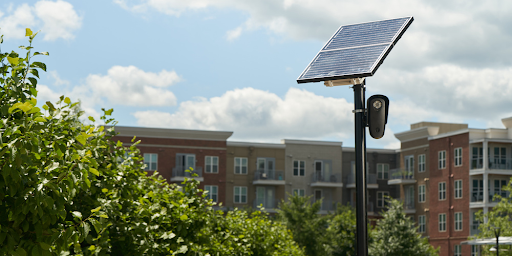
After months of resistance from local governments, a federal judge has forced the disclosure of hundreds of license plate reader camera locations installed across Hampton Roads without public notice.
The cameras are part of an automated license plate reader (ALPR) network operated by Flock Safety, a company that sells and leases surveillance technology to law enforcement agencies, municipalities, and private entities nationwide.
Flock’s systems photograph license plates and related vehicle information, including time and location, and log the data in a central database that participating agencies can search. (RELATED: Virginia Moves to Block SNAP Purchases of Soda Under New Federal Agreement)
According to public court filings, the list released under court order includes geographic locations for hundreds of cameras deployed throughout Hampton Roads, including in cities such as Norfolk, Newport News, Portsmouth, Hampton, Suffolk, and Virginia Beach. Prior requests for the information by local news organizations and transparency advocates had been denied by several jurisdictions, which cited concerns about the disclosure of infrastructure details.
Law enforcement officials and Flock Safety say these systems assist in locating stolen vehicles, identifying suspects, and aiding investigations by providing vehicle data. Flock’s network also collaborates with national law enforcement databases, which can automatically alert officers when a vehicle of interest is detected.
The widespread use of ALPR systems has prompted policy discussions and legislative action in Virginia and other states. In 2025, the Virginia General Assembly passed a law establishing limits on how long license plate reader data can be stored and setting other regulatory guardrails for its use. (RELATED: State AGs Push to Block Virginia AG-Elect Jay Jones From National Prosecutor Groups)
Civil liberties and privacy organizations have raised questions about how ALPR data is accessed, retained, and shared. National advocacy groups such as the American Civil Liberties Union and the Electronic Frontier Foundation have voiced concerns about the potential for broad databases of vehicle location records to be used beyond their original safety purposes.
Controversy has broken out across the country about these cameras with similar concerns. In Wisconsin’s Madison area, residents have shown concern towards these cameras. Including a from UNC, where they say that these cameras can create a “mosaic” of a person’s everyday movements.